
Key Takeaways
- TRT treatment in Canberra typically costs between $1,650 and $2,600 per year, depending on the provider, medication type, and monitoring frequency, with some specialised clinics or complex protocols potentially reaching up to $3,000 annually.
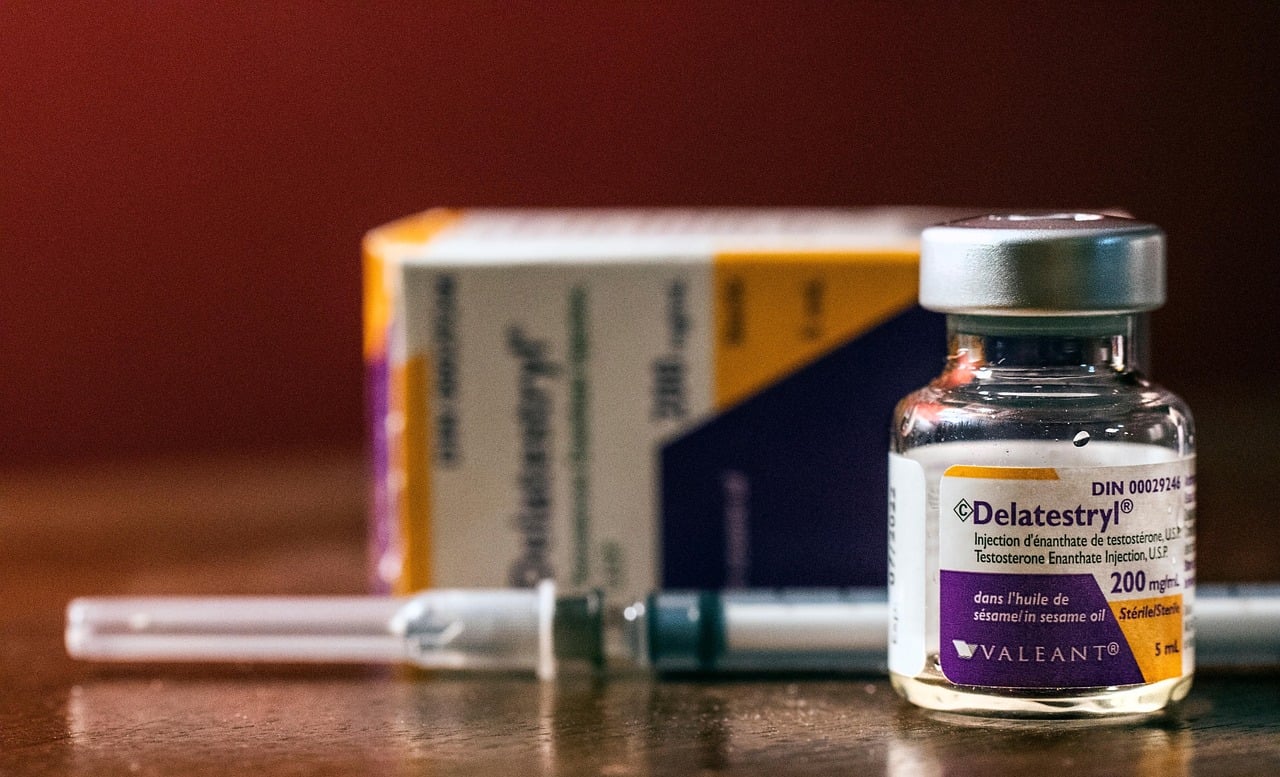
- Injectable testosterone is the most affordable and widely prescribed option, with compounded formulations available for around $28 per 1ml – significantly cheaper than gels, creams, or pellets.
- PBS subsidies require a total testosterone level at or below 6 nmol/L, which is stricter than the clinical threshold for hypogonadism – meaning many men pay privately.
- Canberra men can access TRT through GPs, endocrinologists, specialised men’s health clinics, or telehealth providers – each with different costs, wait times, and prescription approaches.
Getting a handle on TRT costs in Canberra is not as simple as comparing a single price tag. Treatment involves consultations, blood testing, ongoing monitoring, and the medication itself – each of which varies depending on how and where care is accessed. Here is a practical breakdown of what to expect.
TRT in Canberra Costs $1,650-$2,600 Per Year
Total annual TRT costs in Canberra generally fall between $1,650 and $2,600, depending on the provider and treatment approach. Some specialised clinics or more complex protocols can push costs toward $3,000 annually. The lower end typically applies to patients using injectable testosterone through a telehealth provider with transparent flat-rate administrative fees. The upper end reflects patients using specialty clinics, more expensive medication forms, or requiring more frequent monitoring.
For most men, the three main cost components are: consultation and administration fees, medication costs, and blood test fees. Understanding each separately makes it easier to compare providers on equal terms, rather than being caught off-guard by hidden costs later.
What Drives the Price Difference?
Two factors account for most of the variation in annual TRT costs: who is providing the treatment and which medication method is prescribed.
Provider Type
A GP bulk-billing an initial consult will have a lower upfront cost than a private men’s health clinic, but may have limited TRT experience or prefer conservative protocols that do not fully address symptoms. Specialist endocrinologists may provide thorough assessment but often involve longer wait times and higher consultation fees. Dedicated telehealth TRT providers tend to offer fixed-fee structures with clear inclusions, which makes budgeting more predictable.
Medication Method
Injectable testosterone costs considerably less per dose than creams, gels, or pellet implants. Since TRT is a long-term treatment, these per-dose differences compound significantly over a year. A patient on weekly testosterone injections will spend far less annually than one using daily transdermal gel – even if the consultation costs are identical.
Injectable Testosterone: The Most Affordable Option
Injectable testosterone is the most prescribed form of TRT in Australia, delivering reliable, stable hormone levels at the lowest ongoing cost. The most commonly used formulations in Australian clinics include testosterone enanthate and testosterone cypionate – both long-acting esters – as well as testosterone undecanoate (Reandron) and mixed-ester products such as Sustanon, which are also available and used in practice.
Enanthate and Cypionate: Cost-Effective Choices
Testosterone enanthate and cypionate are functionally similar and are typically administered once or twice weekly depending on the patient’s protocol. Weekly injections allow for more stable blood serum levels compared to older fortnightly or quarterly schedules, which can cause pronounced hormonal peaks and troughs. It is worth noting that while both are often grouped together, testosterone cypionate generally has a half-life of around 7-8 days, whereas testosterone enanthate’s half-life is typically shorter at 4-5 days – a distinction that can influence dosing frequency in some protocols.
Retail Pharmacy vs. Compounded Pricing
At a retail pharmacy, Primoteston Depot 250mg/ml (testosterone enanthate) is available at Chemist Warehouse for approximately $21.99 per 1ml with a valid Australian prescription. Compounded testosterone through a partner pharmacy – as used by providers like TRT Australia – is priced at around $28 per 1ml, with the trade-off being tailored dosing and direct delivery. Community pricing data puts enanthate in the $25-$39 per 1ml range across different suppliers, so compounded options remain competitive, particularly when convenience and custom formulation are factored in.
Gels, Creams and Pellets: What Else Is Available?
Injectable testosterone is not the right fit for everyone. Some men prefer needle-free delivery, or have medical reasons to avoid injections. The TGA has approved testosterone gels and patches alongside injections, and some clinics also offer pellet implants as an off-label or compounded option.
Transdermal Gels and Creams
Testogel 1% Gel Pump (2 x 60 doses) is available at Chemist Warehouse for around $25.00 with a Medicare card and a valid PBS authority script – making it one of the more affordable options when PBS-subsidised. Without subsidy, gel costs climb considerably. Daily application is required to maintain hormone levels, and there is an added risk of skin-to-skin transfer to partners or children. Testosterone creams are a compounded alternative to commercial gels, often prescribed when patients need non-standard concentrations.
Pellet Implants
Testosterone pellets are implanted subcutaneously and release testosterone slowly over 3 to 6 months. The hands-off nature appeals to some patients; however, the insertion procedure adds cost and the dose cannot be adjusted mid-cycle. Pellets are not as widely adopted in Australia as TGA-approved forms such as injections or gels, and their use is often facilitated through compounding pharmacies rather than mainstream commercial products. Over a full year, pellet protocols are generally more expensive than injectable alternatives.
How to Get a TRT Prescription in Canberra
TRT must be prescribed by a registered medical practitioner in Australia. In practice, there are three main pathways for Canberra men.
GP or Endocrinologist
A GP is often the first point of contact. Some – like those at Greenway Medical Centre in Tuggeranong – offer hormonal assessment and can manage TRT directly, referring complex cases to endocrinologists or urologists. Many GPs follow conservative PBS thresholds and may be reluctant to prescribe unless testosterone is very low. The Endocrine Society of Australia recommends initiating TRT after two separate hormone assays measuring testosterone, LH, and FSH – a process that can stretch over several months.
Specialised Men’s Health Clinics
Private men’s health clinics focus on hormone optimisation and tend to have more experience with nuanced cases – including borderline low testosterone or elevated SHBG affecting free testosterone. They are more likely to assess both total and free testosterone and to use current injection protocols rather than outdated fortnightly dosing schedules. The trade-off is typically higher fees.
Telehealth Providers
Telehealth has opened up access to experienced TRT doctors for Canberra men without requiring travel to a specialist or long GP referral queues. Video consultations connect patients with licensed Australian clinicians who can assess symptoms, review bloodwork, and prescribe treatment – with medication shipped directly from a pharmacy. For men in the ACT who may not live near a specialist clinic, this pathway removes a significant practical barrier.
PBS Subsidies Require Testosterone at or Below 6 nmol/L
The Pharmaceutical Benefits Scheme will subsidise TRT – but the eligibility bar is strict. A total testosterone level of 6 nmol/L or lower is required, which sits well below the clinical threshold for hypogonadism of 8-12 nmol/L. This means many men who are symptomatic and clinically low will not qualify for PBS subsidies and will need to pay for medication privately. Most men accessing TRT through private clinics or telehealth providers will pay out-of-pocket for medication, making cost comparisons between provider types worthwhile before committing to a treatment pathway.
Telehealth TRT Removes the Clinic Visit
For Canberra residents, telehealth TRT means no waiting rooms, no travel to a specialist, and no need to find a local GP comfortable with hormone therapy. The entire consultation and prescription process happens via video call, with medication compounded and delivered to the patient’s address.
These fees cover administrative and care coordination costs. Medication is priced separately at approximately $28 per 1ml for injectable testosterone.
Consultations and Medication Are Remote – Blood Tests Still Require a Lab Visit
Despite the convenience of telehealth, blood tests remain an in-person requirement. Pathology cannot be conducted remotely – Canberra patients will need to visit a local collection centre for their initial assessment and for follow-up monitoring tests, typically conducted at around 8 weeks after starting treatment, then every 3 to 4 months. This is a standard part of safe TRT management, not a telehealth limitation. All other steps – free initial consultation, doctor assessment, prescription, and ongoing monitoring reviews – are handled remotely.
TRT Australia
7–11 The Avenue
Hurstville
NSW
2220
Australia


