

Key Takeaways
- Clean, fully dry surfaces should always come before any padding or wrapping is applied to fine furniture
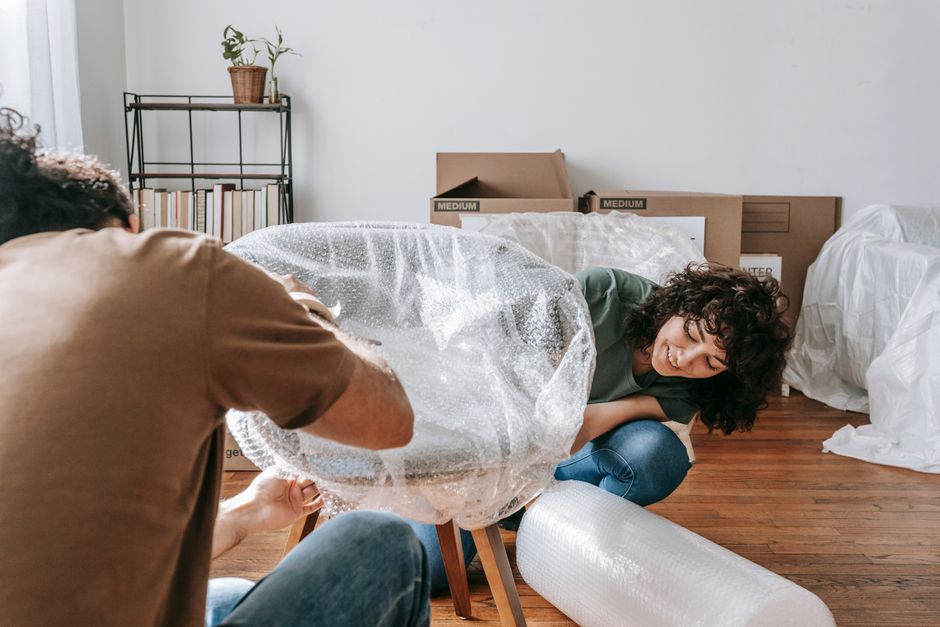
- Wood pieces do best with a moving blanket as the first layer, with plastic wrap added over the blanket rather than directly on the finish
- Corners, legs, carved details, and glass inserts need extra cushioning since they are the most likely spots to take damage in transit
- Got2Move explains that tape should never touch wood, upholstery, or gilded surfaces directly – it belongs only on the protective wrapping itself. More expert luxury moving insights are available below
Moving a houseful of belongings is stressful enough without worrying whether a hand-carved dresser or a silk-upholstered sofa will survive the trip. For homeowners with high-end furniture, the stakes are higher, and the margin for error is smaller. Protecting valuable pieces during a move comes down to a handful of practical habits that anyone can learn, even if the final execution is best left to experienced hands.
Why High-End Furniture Needs Special Care
Luxury furniture is rarely just furniture. A hand-finished wood armoire, a marble-topped console, or an antique chair with original upholstery often carries craftsmanship that cannot be replicated with a trip to a showroom. These pieces tend to have finishes, joints, and decorative details that are more sensitive to pressure, moisture, and friction than mass-produced furniture built for easy handling.
That sensitivity means standard moving habits, like tossing a blanket over a dresser and taping it shut, can cause the kind of damage owners are trying to avoid. Fine finishes scratch easily, veneer can lift if trapped moisture builds up underneath wrapping, and delicate carvings or inlays can crack under even light impact. A more deliberate process from the start of packing makes a measurable difference in how a piece arrives at the other end.
Clean and Dry Before You Wrap
Before any padding goes near a piece of furniture, it needs to be clean. Dust, grit, and debris that get sealed in under a moving blanket or plastic wrap can rub against the finish during transport, creating fine scratches that show up only after the piece is unwrapped at the new home.
Let Freshly Cleaned Pieces Dry Fully
A quick wipe-down right before the movers arrive might seem harmless, but any cleaned surface needs time to dry completely before it gets wrapped. Trapping moisture against wood or upholstery under a sealed layer of plastic can cause warping, clouding, or mildew over the course of a long-distance move. Giving a piece a few hours, or even a full day, to air dry after cleaning protects the finish far better than rushing straight into wrapping.
Match Padding to Each Material
Not every surface should be wrapped the same way. Matching the padding method to the specific material, whether it is polished wood, glass, or delicate fabric, is one of the clearest ways to avoid avoidable damage.
Blankets First, Plastic Wrap Second on Wood
Finished wood furniture should always get a clean moving blanket as its first layer. The blanket cushions against bumps and scuffs while keeping plastic wrap from touching the wood directly. Plastic sitting against bare wood can trap humidity underneath, which over time dulls or damages the finish. Once the blanket is secured, stretch wrap can go over the top to hold everything in place during loading and transport.
Clean Sheets Under Pads for Light Upholstery
Light-colored upholstery has its own risk: moving pads and blankets can transfer color onto pale fabric, especially if there is any dampness involved. Placing a clean sheet directly against the upholstery, with the moving pad layered over it, creates a barrier that keeps dye or residue from migrating onto the fabric.
Covering Cushions and Transporting Them Separately
Cushions deserve their own plan. A clean cover keeps surface dirt and dust away from the fabric, but cushions should also be removed from sofas and chairs and transported separately in a bag. Loose cushions left in place during a move tend to slide and rub against other items, which can abrade fabric or flatten filling over time.
Shield Corners, Legs, and Carved Details
Sharp corners, slender legs, and carved trim are the parts of a piece most likely to get knocked or dinged during loading. Extra padding focused specifically on these vulnerable points goes a long way toward preventing chips and cracks, especially on furniture with intricate detailing that cannot simply be sanded out if damaged.
Protecting Glass Inserts and Artwork
Glass inserts, mirrored panels, and framed artwork call for their own layer of bubble wrap before a moving blanket goes over the top. Corner protectors are especially useful here, since the edges and corners of glass and framed pieces are the most likely spots for a crack to start. For furniture legs that cannot be removed, individually padding each leg helps prevent dents and scrapes that would otherwise happen during loading and unloading.
Securing Loose Drawers and Hardware
Drawers and cabinet doors that are left unsecured can swing open mid-move, straining hinges or spilling contents. Emptying drawers before the move reduces unnecessary weight that can strain joints and drawer glides, and any drawers left in place should be secured so they cannot slide during transport. Straps and buckles used to secure furniture should also be padded at any point where they touch a finished surface, since hard hardware pressed directly against wood or upholstery can leave marks.
Skip Tape and Trapped Moisture on Finishes
Tape might seem like the easiest way to keep a blanket in place, but it should never touch wood, upholstery, paint, or gilded surfaces directly. Adhesive can pull at delicate finishes, lift veneer, or leave a sticky residue that is difficult to remove without damaging the surface underneath. The better approach secures protective wrapping to itself, so the tape only ever touches other layers of blanket or wrap rather than the furniture.
Moisture control matters just as much as avoiding adhesive. Leaving stretch wrap sealed over damp upholstery or unfinished wood for an extended period can trap humidity against the material, leading to warping, mildew, or a clouded finish. Breathable layers work better than an airtight plastic seal for any piece that still has even a trace of moisture.
Special Handling for Antiques in Transit
Antique furniture often combines age with fragility, which means it benefits from a few extra precautions beyond standard padding and wrapping. Pieces with fragile glass, marble inlay, or delicate carving do especially well in a fitted crate, where the finish is protected with breathable layers rather than plastic pressed directly against it. Keeping antique case furniture upright, never stacking other objects on top, and strapping it securely to the truck wall all help prevent shifting or tipping during transport.
Documenting Condition Before the Move
Taking photographs of valuable wood furniture before the move creates a clear record of any existing scratches, cracks, or chips. This step protects both the owner and the moving crew, since it establishes exactly what condition a piece was in before it left the house. Letting movers know in advance which pieces are fragile or especially valuable also allows the crew to plan extra care around those specific items.
Planning the Route Through Doorways and Stairs
A large antique cabinet that cannot pass cleanly through a doorway becomes a serious risk the moment it gets wedged or tilted at an awkward angle. Measuring doorways, hallways, stairways, and elevators ahead of time, then mapping out the exact route a piece will travel, prevents last-minute improvising that often leads to scrapes or worse. Where possible, loading antiques last means they spend less time in the truck and can be unloaded first at the new home.
Careful Wrapping Is the Key to Damage-Free Moves
Protecting luxury furniture during a move comes down to layering good habits together: starting clean and dry, matching materials to the right padding, shielding vulnerable edges, and keeping tape and trapped moisture away from fine finishes. Antiques add a few more steps, like documentation and route planning, but the underlying principle stays the same across every piece. A little extra care before the truck even arrives can be the difference between furniture that looks the same on move-out day as it does on move-in day, and pieces that need repair afterward.
For homeowners planning a move with valuable pieces in tow, Got2Move has more resources sharing tips on furniture protection during a move before packing day arrives.
Got2Move
801 Avenue H
Unit 789
San Francisco
California
94130
United States